
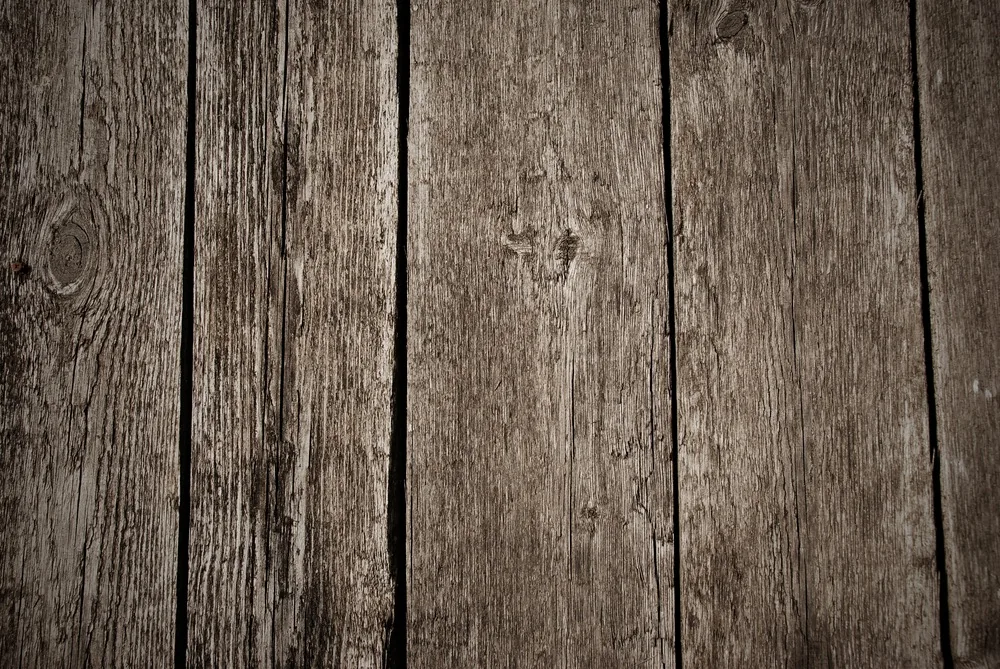
Oak
Wagon flooring, unplaned old oak, old beams, walnut
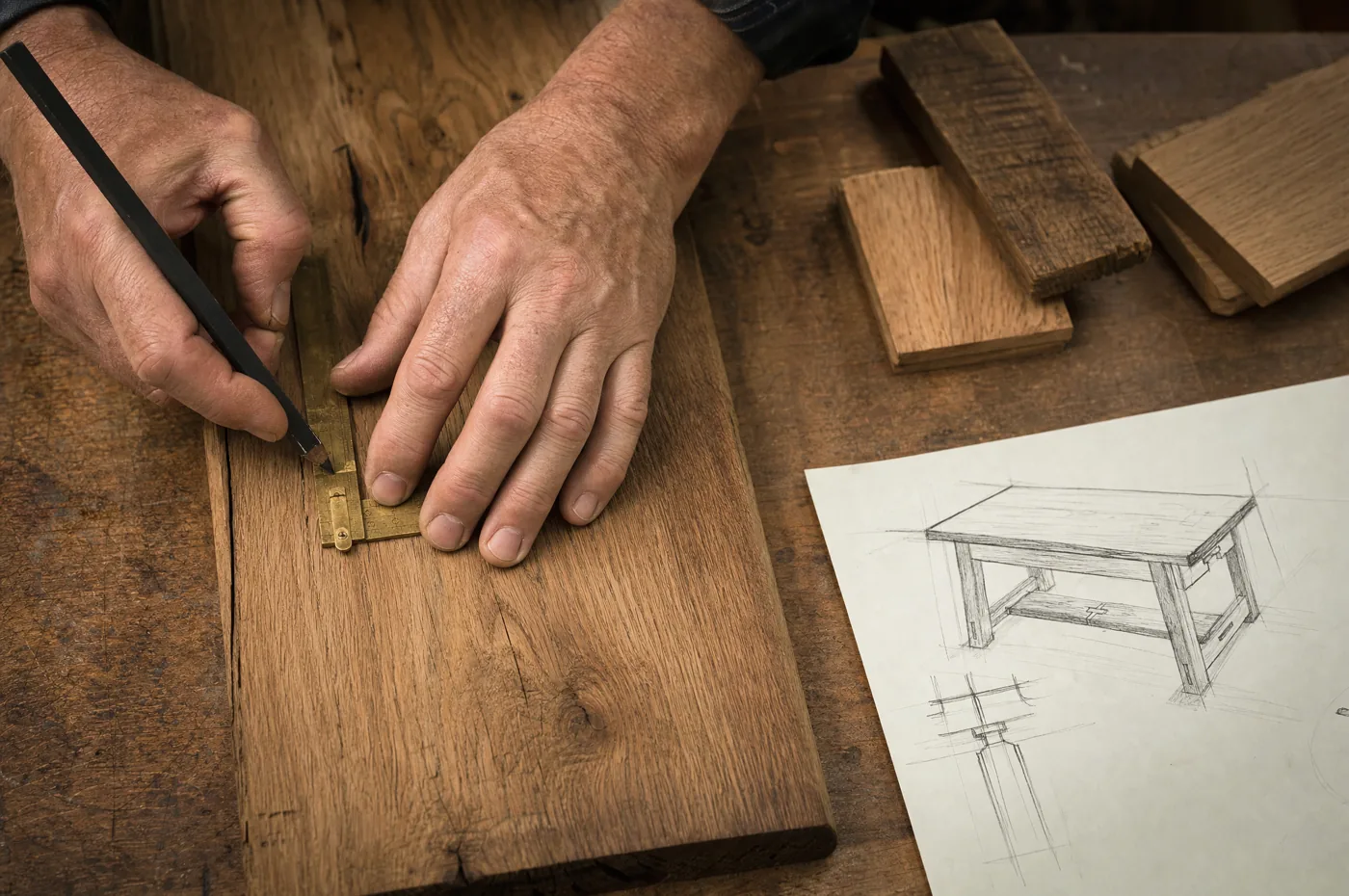
Each species and each finish is chosen with care and worked with passion in our workshops in Provence.
Wagon flooring, unplaned old oak, old beams, walnut
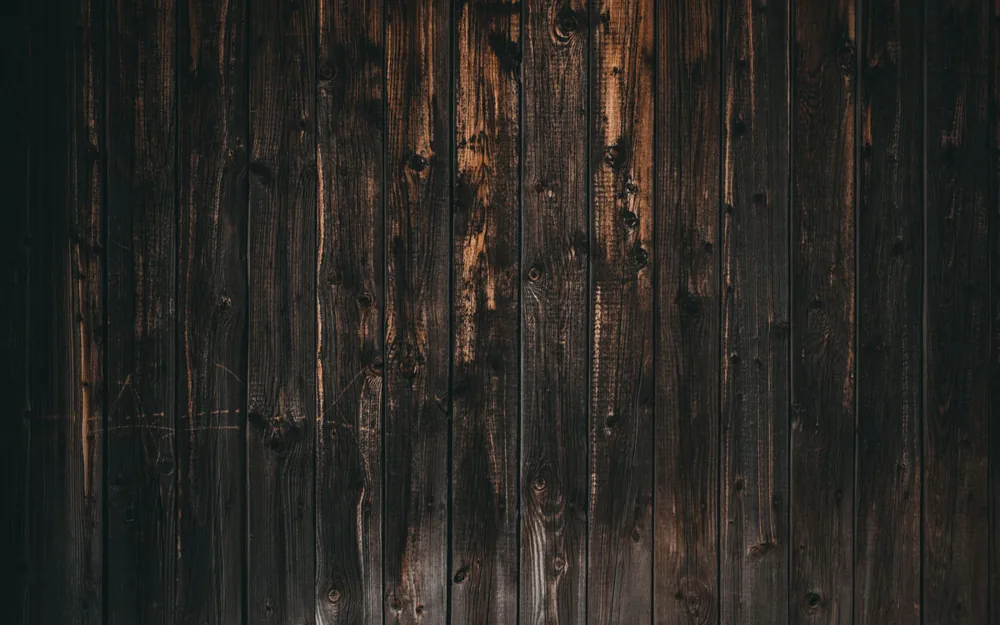
Sturdy pine, grey old pine cladding, thermally treated pine
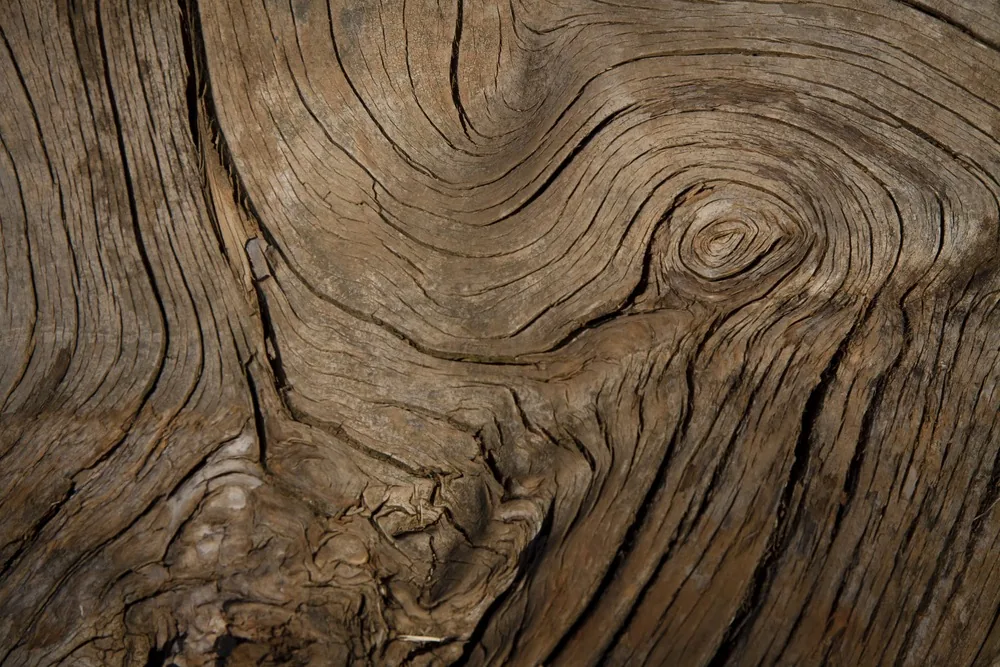
Reclaimed teak, suar, root and live-edge slabs
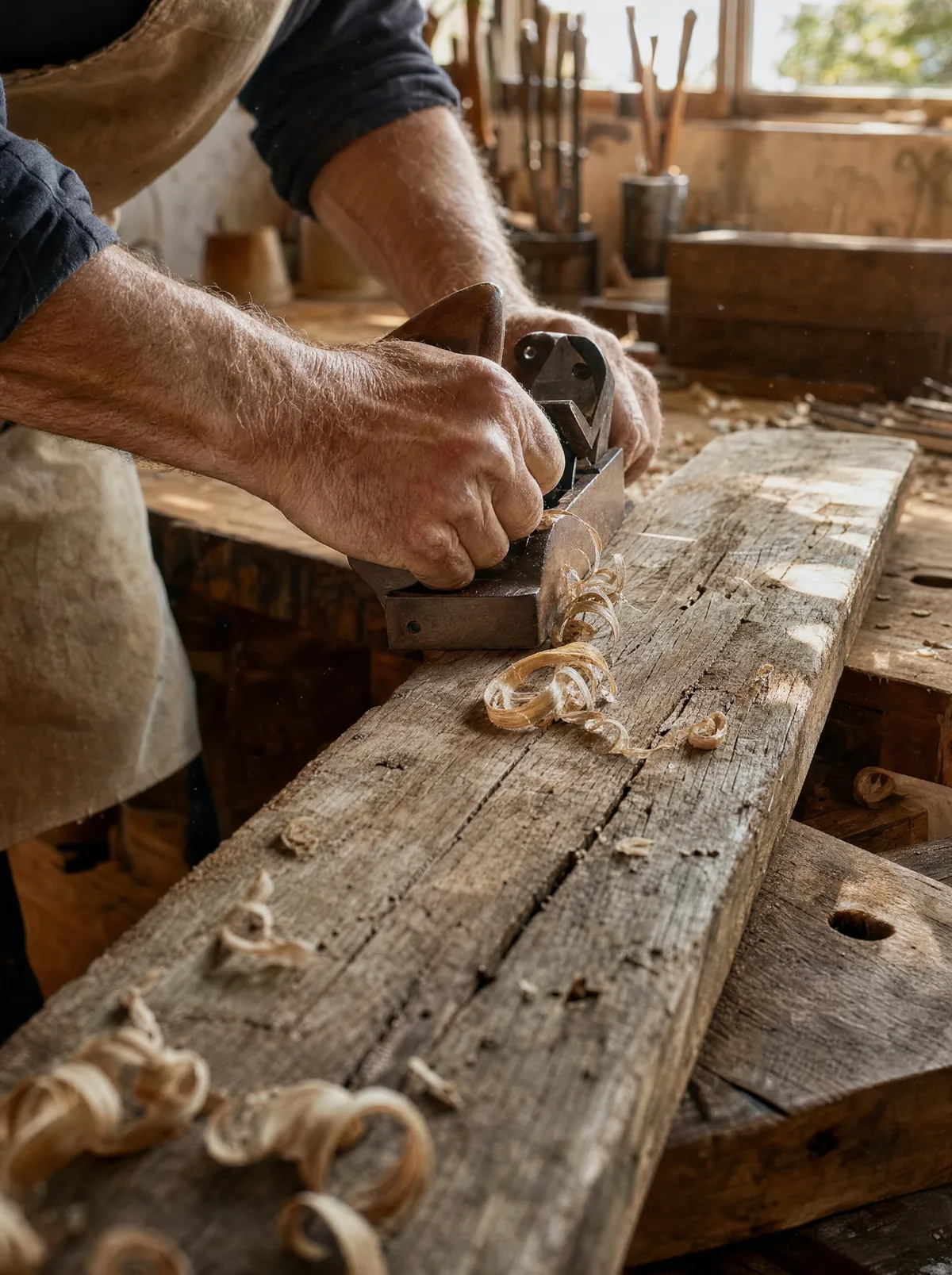
Old wood demands patience: you have to read it before cutting it, plane it without erasing its marks, assemble it so that it lasts. Tenons, crosspieces and hardware are designed piece by piece.
Finishes are natural: they protect the wood while keeping its original patina.
Old woods chosen one by one for their character and their history.
Dimensions, proportions and finishes defined together with you.
Cutting, planing and hand assembly in the workshop.
Natural traditional finishes, delivery and installation.
Reclaimed wood has already lived: railway wagon floor, beam, flooring, cladding, door. It has dried for decades, it keeps the marks of its use, and every board has a character that new wood does not have.
We work with oak, pine, teak, walnut and suar. Pine is also worked thermally treated, brushed or patinated. Each species has its look, colour and way of ageing: we help you choose the one that suits your place.
The end of an oak log, with its growth rings, sapwood and a split, and two boards taken out of it: one quarter-sawn, the other flat-sawn, which keeps the shape of the tree along its edge.
Tap or hover over a part of the drawing: its definition appears here.
In both cases, it is wood that has already been used (flooring, cladding, door) and that is reused. “Recycled wood” stresses the reuse, “old wood” the age and patina: for us, it is the same material.
Mainly oak, pine, teak and walnut, and suar for some root slabs, in old wood selected one piece at a time.
It is a reclaimed wood: wide boards of old oak that were used as the floor of old railway wagons. They have dried for decades and keep the marks of that use. We use them for doors, gates, tables and furniture.
It is pine heated to a high temperature: its colour darkens and it becomes more stable. We use it in particular for doors, gates and furniture, natural, patinated or painted.
For its character, patina and stability: wood that has dried for decades moves less than new wood. It is also a material that already exists, and finds a second life.
Tell us about your space: we will suggest the woods that suit it.